“There are those who say one should not say it [the blessing on new things, Shehehianu] on shoes or clothing made from animals’ leather, because another animal needed to die before it was turned into a new garment, as it is written, ‘His mercy is upon all His works’ (Psalms 145:9).” – Rabbi Moses Isserles (Rama’) on Shulhan ‘Arukh OH 223:6
KAPAROS REIMAGINED: Returning to the Compassionate Heart of the Tradition as We Prepare for Yom Kippur
Content Warning: Graphic Images
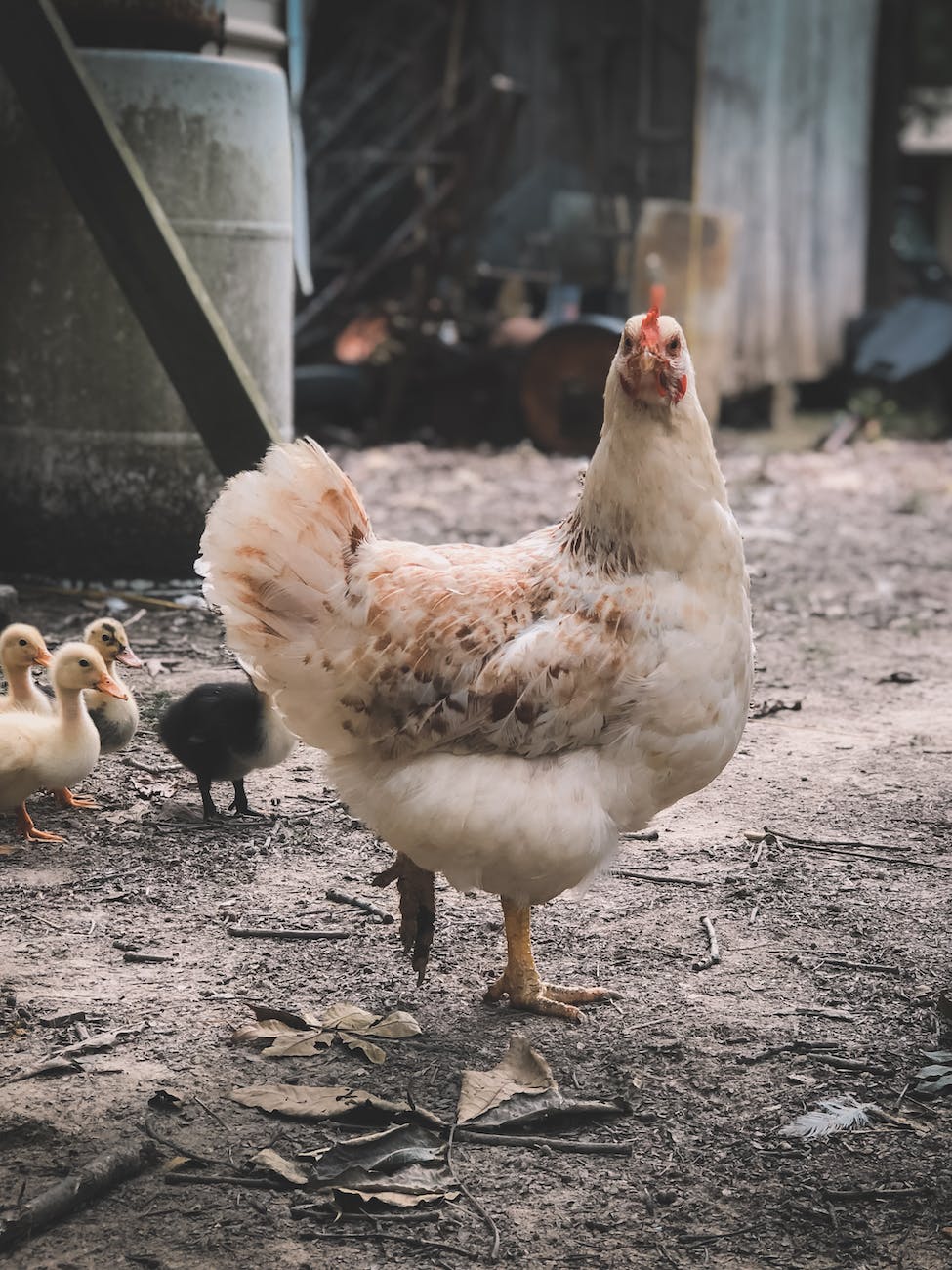
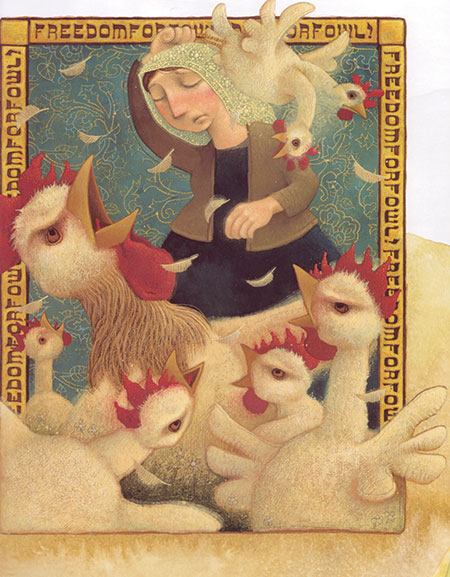
Kapparos is a Jewish religious practice originating in the medieval times where on the day before Yom Kippur a live chicken is swung over a person’s head three times before the chicken is slaughtered. The purpose of the ritual is for the chicken to symbolically receive all the sins of the person participating in the ritual, and the chicken is supposed to be given to the poor as charity.
Despite only a small fraction of members of the Jewish faith practicing the ritual using live chickens, each year thousands of chickens are kept in harsh and torturous conditions waiting to be used for kapparos. Many are never used and some are left to die of dehydration and starvation. Furthermore, undercover investigations have revealed that ritually slaughtered kosher chickens allegedly earmarked for “the poor” were instead thrown into the trash.
However, none of this cruelty is necessary because the ritual can also be performed using coinsinstead of a chicken and then donating the money. We encourage reframing the custom and turning it into a life-giving, rather than a life-taking custom by donating the money from your kapparos to an animal-advocacy organization and going into Yom Kippur with a mindset of compassion.
We support The Alliance to End Chickens as Kaporos, an association of groups and individuals who seek to replace the use of chickens in Kaporos ceremonies with money or other non-animal symbols of atonement. The Alliance does not oppose Kaporos per se, only the cruel and unnecessary use of chickens in the ceremony.
“I used to use chickens, but it made a mess in the home and sometimes it died on the way. It was not simple. Hence, I did hataras nedarim and began with using money. Giving money is preferable anyway, since it is not dirty, and we eliminate the issue brought up by the Ben Ish Chai, that a chicken sees the other being slaughtered and becomes fearful and its lung collapses.” – Rabbi Meir Mazuz (Source)